Poison Oak Removal in Bel Air, MD
Poison oak removal services focus on safely eliminating this hazardous plant from residential properties. These services typically cover a range of projects, including clearing poison oak from yards, landscaping areas, fences, and other outdoor structures. Property owners often seek this service to protect family members, pets, and visitors from skin irritation and allergic reactions caused by contact with the plant. Understanding the extent of the growth, the location of poison oak on the property, and the best removal methods are common considerations before requesting this service.
Homeowners should be aware that poison oak can be persistent and may require careful removal to prevent regrowth. It's important to communicate the size of the affected area and any specific concerns about nearby plants or structures. Proper disposal of the plant material is also essential to prevent accidental exposure. Contacting a professional for poison oak removal can ensure the plant is handled safely and effectively, reducing the risk of skin irritation and maintaining a safe outdoor environment.
Many property owners in Bel Air, MD look into Poison Oak Removal for repairs, replacements, upgrades, and appearance-related improvements.
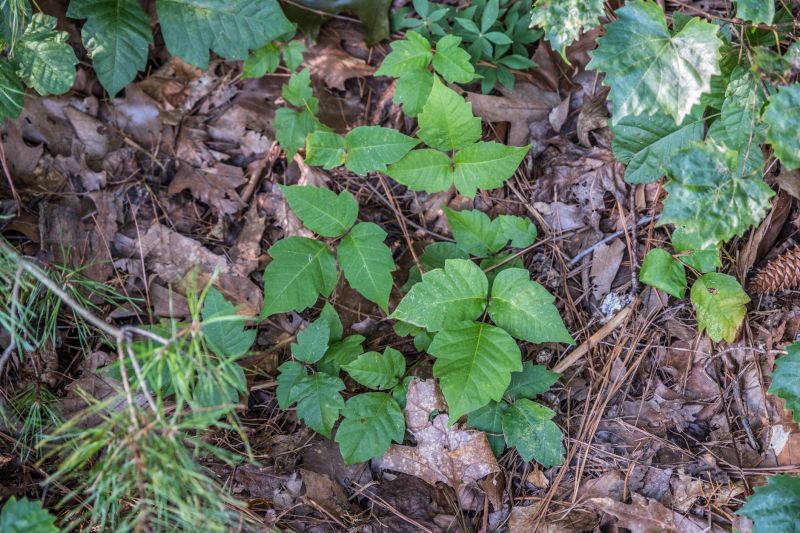
Poison Oak Identification
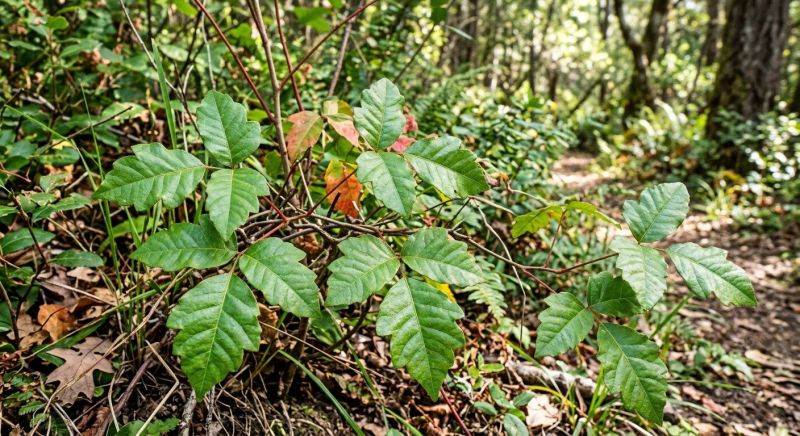
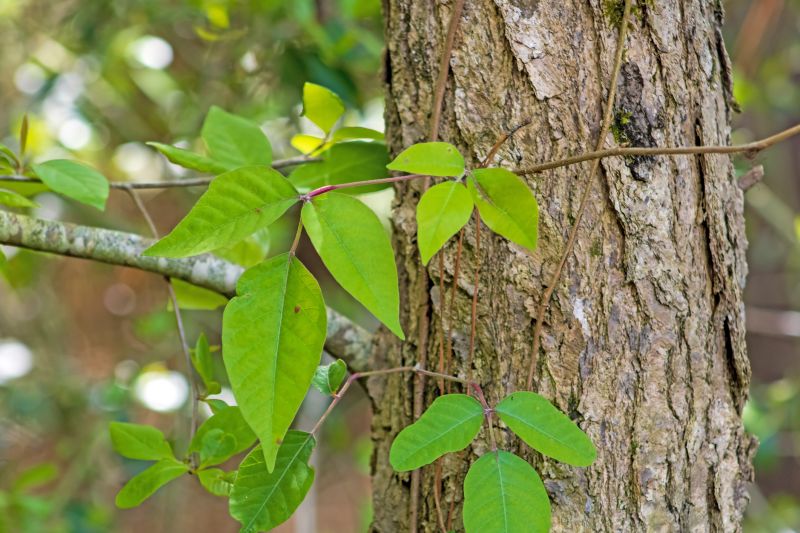
Recognizing poison oak is essential for safe removal and avoidance.
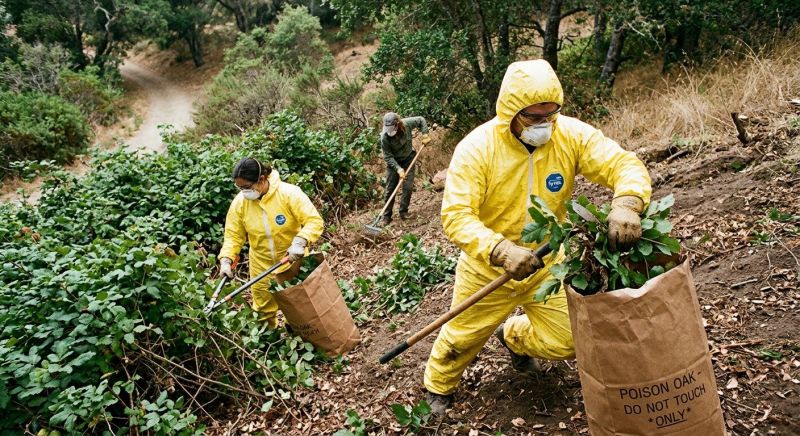
Hazard Prevention
Removing poison oak helps protect families and pets from skin irritation and allergic reactions.
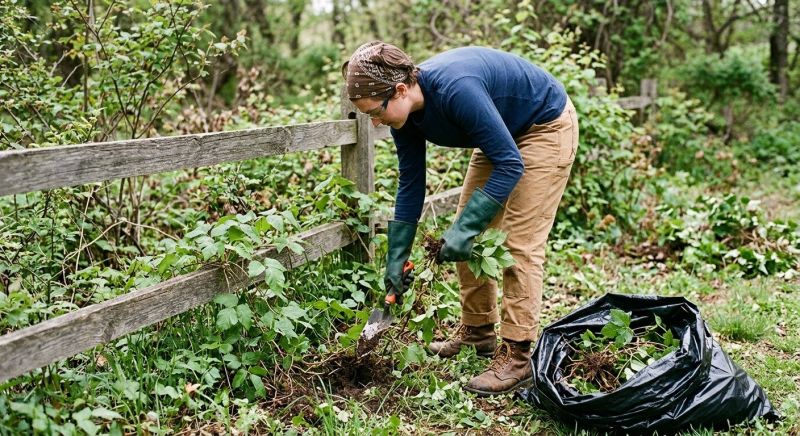
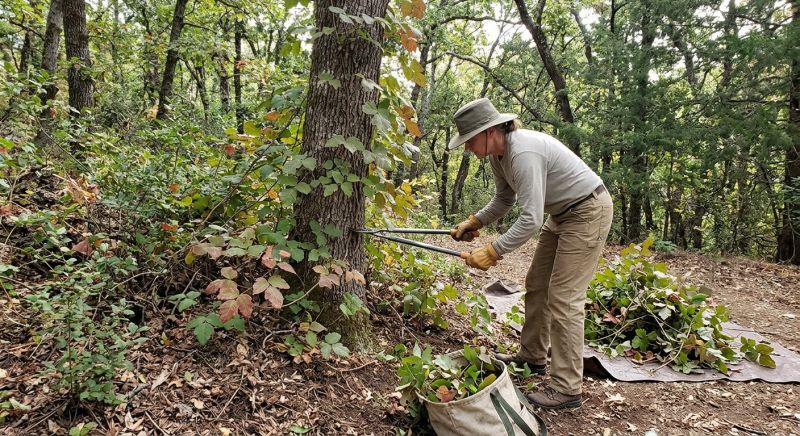
Property Maintenance
Effective poison oak removal keeps outdoor spaces safe and well-maintained in bel air, md.
Poison Oak Removal in Bel Air, MD
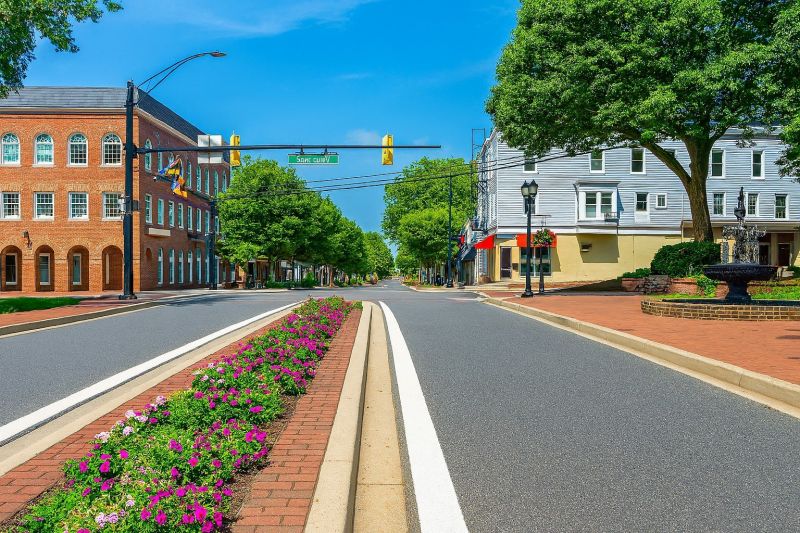
Poison oak removal services focus on safely eliminating this hazardous plant from residential properties. These services typically cover a range of projects, including clearing poison oak from yards, landscaping areas, fences, and other outdoor structures. Property owners often seek this service to protect family members, pets, and visitors from skin irritation and allergic reactions caused by contact with the plant. Understanding the extent of the growth, the location of poison oak on the property, and the best removal methods are common considerations before requesting this service.
Homeowners should be aware that poison oak can be persistent and may require careful removal to prevent regrowth. It's important to communicate the size of the affected area and any specific concerns about nearby plants or structures. Proper disposal of the plant material is also essential to prevent accidental exposure. Contacting a professional for poison oak removal can ensure the plant is handled safely and effectively, reducing the risk of skin irritation and maintaining a safe outdoor environment.
Many property owners in Bel Air, MD look into Poison Oak Removal for repairs, replacements, upgrades, and appearance-related improvements.
Common Poison Oak Removal Jobs
Poison Oak Removal - Safely eliminates poison oak plants from residential landscapes.
Land Clearing - Clears overgrown areas contaminated with poison oak to restore yard safety.
Brush and Shrub Removal - Removes infested bushes and shrubs that harbor poison oak.
Yard Cleanup - Cleans up fallen leaves and debris that may contain poison oak oils.
Property Maintenance - Prevents poison oak regrowth through targeted removal and management.
Vegetation Control - Implements control measures to limit poison oak spread across the property.
Poison Oak Removal Questions
What is poison oak removal? Poison oak removal involves safely eliminating the plant to prevent skin irritation and protect property health.
When should poison oak be removed? Removal is recommended when poison oak is present in high-traffic areas or near outdoor living spaces.
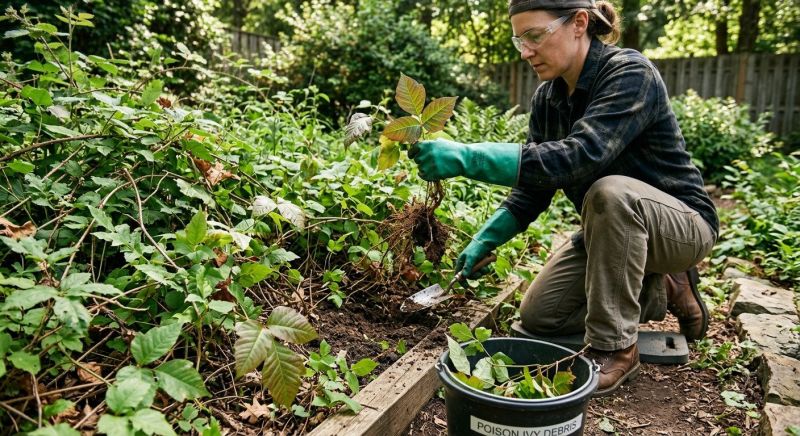
How is poison oak removed? The process typically includes careful cutting, herbicide application, and disposal to ensure complete eradication.
Is professional removal necessary? Yes, professional removal ensures safe handling and effective elimination of poison oak plants.
Request Poison Oak Removal in Bel Air, MD
Use the quote form on this page to share the basics of your project and request more information for the type of work you need.