Get Grub Control
Grub Control services help property owners prevent and eliminate damaging white grubs that threaten lawn health, involving treatments and pest management projects handled by local contractors.
Property owners dealing with unwanted grubs understand the importance of effective control methods to protect lawns and gardens. Exploring professional services for grub management can help maintain healthy, vibrant outdoor spaces while preventing potential damage caused by infestations. Whether managing a residential yard or a commercial landscape, many find value in comparing local contractors who specialize in pest control solutions tailored to their specific needs.
By reviewing options available from local service providers, property owners can find solutions that fit their planning goals and property requirements. Connecting with experienced contractors in the area allows for informed decisions about the most practical approaches to grub control, ensuring the ongoing health and appearance of outdoor spaces. Keep reading to learn more about how local experts can assist with effective property management.
- Ant Control - needed when ants invade indoor or outdoor spaces, creating nuisances or potential health concerns.
- Termite Control - required if signs of termite activity, such as wood damage or mud tubes, are detected around a property.
- Rodent Control - necessary when rodents like mice or rats are found inside the home or business premises.
- Spider Control - sought when spider populations become overwhelming or pose a concern for occupants.
- Other Pest Control - appropriate for various pests that threaten property integrity or comfort, requiring specialized local expertise.
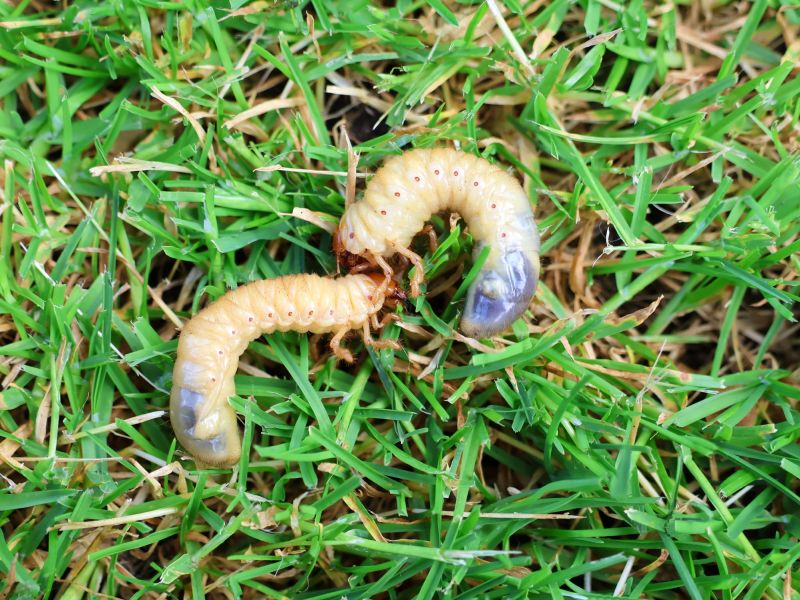
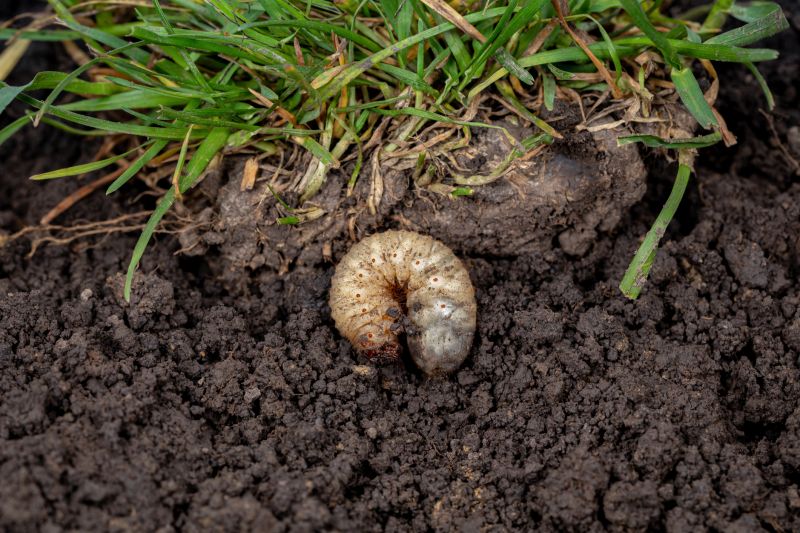
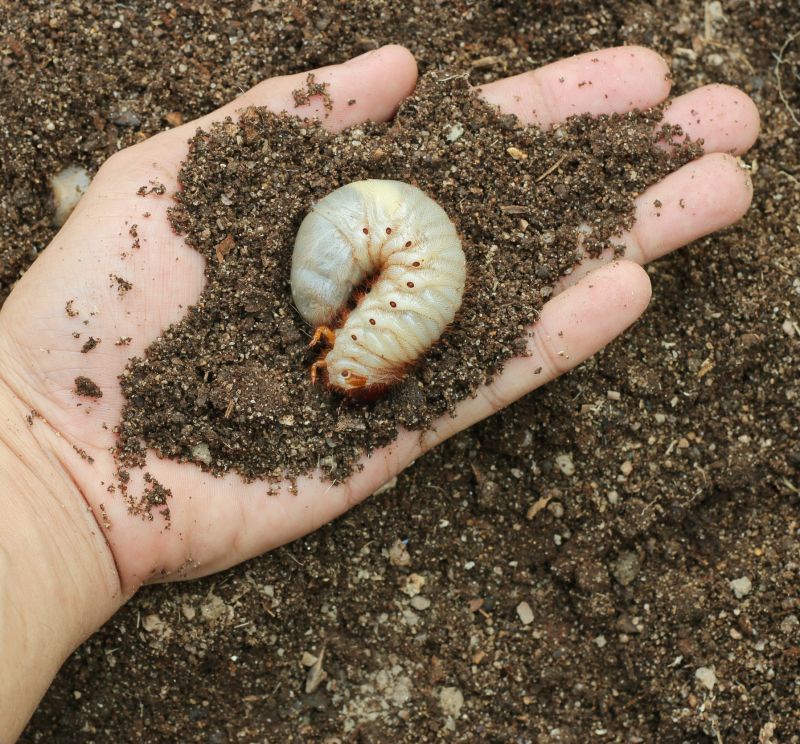
Grub control services focus on managing and eliminating lawn pests such as grubs, which are the larvae of beetles like Japanese beetles, June bugs, and European chafers. These pests live underground and feed on grassroots, causing damage that can weaken the health of a lawn and lead to brown patches or thinning turf. Service providers typically assess the extent of grub activity through inspections and then apply targeted treatments to prevent or reduce infestations. Proper grub control can help maintain a lush, healthy lawn by stopping pests before they cause significant harm.
These services are especially useful for homeowners who notice signs of pest activity, such as patches of dying grass, increased bird activity digging in the yard, or the presence of beetles around outdoor lights. Grub infestations tend to become more problematic during late summer and early fall when the larvae are actively feeding underground. By addressing these issues early, property owners can prevent extensive turf damage and avoid costly repairs or reseeding efforts later on.
Properties that commonly benefit from grub control services include residential lawns, community parks, golf courses, and sports fields. Any property with a turf area that shows signs of pest damage or is located in an area prone to grub activity can be a candidate for treatment. Homeowners with large yards or landscaped areas that require ongoing maintenance may also find these services helpful in maintaining the overall health and appearance of their outdoor spaces.
Choosing to work with local contractors for grub control ensures that property owners receive tailored solutions suited to their specific landscape conditions. These service providers can recommend appropriate treatment plans based on the type of pests, the severity of the infestation, and the property’s usage. Regular inspections and targeted treatments can help keep lawns resilient and free from destructive pests, making it easier to enjoy a vibrant and healthy outdoor environment.
The overview below groups typical Grub Control projects into broad ranges so you can see how smaller, mid-sized, and larger jobs often compare in your area.
In many markets, a large share of routine jobs stays in the lower and middle ranges, while only a smaller percentage of projects moves into the highest bands when the work is more complex or site conditions are harder than average.
Initial Treatment - typical costs range from $250-$600 for many smaller jobs, such as a single yard or garden area. Many routine treatments fall within this middle range, while larger or more complex projects can exceed $600. Local contractors can provide estimates based on the specific property size and infestation level.
Per-Season Services - ongoing treatment plans generally cost between $300 and $800 per season. Many homeowners opt for these packages to maintain control throughout the year, with costs varying based on yard size and treatment frequency. Larger properties may experience higher costs for comprehensive coverage.
Full Yard Replacement - complete replacement or major overhaul projects typically start around $1,500 and can go beyond $5,000 for extensive work. While most projects stay within the lower to mid-range, larger, more complex landscapes or properties with special requirements can push costs higher.
Emergency or Large-Scale Projects - urgent or large-scale projects, such as extensive infestations or commercial properties, can reach $5,000+ depending on scope. These projects are less common but are handled by local pros equipped for complex or urgent work, with costs reflecting the scale and urgency involved.
Actual totals will depend on details like access to the work area, the scope of the project, and the materials selected, so use these as general starting points rather than exact figures.
Pest Management Projects - local contractors skilled in identifying and controlling pests often handle related treatments like grub control to ensure comprehensive lawn health.
Landscape Pest Prevention - professionals specializing in landscape maintenance may also provide services to prevent soil-dwelling pests such as grubs that damage turf and plants.
Soil Treatment Services - local pros experienced in soil management can apply targeted treatments to eliminate pests and improve soil conditions for healthy growth.
Insect Barrier Installation - contractors who install barriers to protect structures from insects may also offer soil and lawn pest control solutions, including grub treatments.
Yard Fertilization and Care - providers offering lawn fertilization often incorporate pest control measures like grub management to promote a thriving, pest-free yard.
Lawn Restoration Projects - local service providers involved in turf repair and restoration may utilize pest control techniques to prevent future damage from soil pests like grubs.
When comparing service providers for Grub Control, it’s important to consider their experience with similar projects. Homeowners should look for local contractors who have a proven track record of handling lawn and pest management tasks comparable to the job at hand. Asking about the types of properties they have worked on and the results they’ve achieved can provide insight into their familiarity with common challenges and effective solutions. Choosing a provider with relevant experience helps ensure that the service will be tailored to the specific needs of the landscape and pest issues present.
Clear, written expectations are essential when evaluating potential service providers. Homeowners should seek detailed descriptions of the services offered, including what is included and what is not, to avoid misunderstandings. A reputable contractor will communicate their process, any preparations needed, and what results to anticipate. Having these expectations documented helps both parties stay aligned and provides a reference point throughout the project, fostering transparency and reducing the risk of surprises.
Reputation and communication are key factors in selecting a reliable local contractor. Homeowners can ask for reputable references or reviews from previous clients to gauge the quality of work and professionalism. Good communication-prompt responses to questions, clarity in explanations, and openness to discussing concerns-indicates a contractor’s commitment to customer service. While the site introduces homeowners to local options, it’s important to independently verify these qualities to ensure the chosen service provider can deliver trustworthy and effective Grub Control solutions.
Property owners use Grub Control services for practical projects around their homes and businesses. This guide focuses on everyday jobs and straightforward project options.
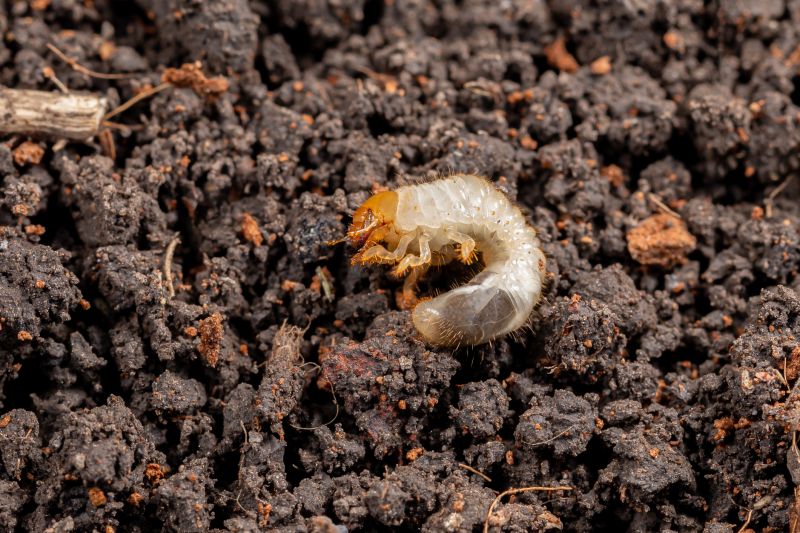

Property owners in the area often seek Grub Control services to protect their lawns and gardens from common pest issues. Infestations of insects such as grubs can cause significant damage to turf, leading to brown patches and weakened grass. Local contractors offer solutions to identify and treat these pests effectively, helping homeowners maintain healthy, lush landscapes.
Many residents look for professional Grub Control services when they notice signs of underground pest activity or want to prevent future problems. Whether preparing for the planting season or addressing ongoing concerns, local service providers can help manage grub populations and minimize potential damage. Connecting with experienced contractors ensures that property owners receive tailored treatments suited to their specific needs.
What are common signs that I need grubs controlled? Indicators include patches of dead or thinning grass, irregular brown spots, and increased insect activity in your lawn.
How do local contractors typically handle grub control? They usually apply targeted treatments such as insecticide applications to eliminate grubs and prevent further damage.
Can grub control services be combined with other lawn treatments? Yes, many service providers offer integrated pest management options that include grub control alongside fertilization or aeration.
Is grub control safe for pets and children? Most treatments used by local contractors are safe when applied according to instructions, but it's best to discuss concerns with the service provider.
How can I find local pros who offer grub control services? Use a lead generation platform to compare and connect with nearby lawn care specialists experienced in grub management.
Preventative Measures - Property owners can schedule regular treatments to keep their lawns and gardens free of grub infestations, helping to maintain healthy outdoor spaces.
Infestation Management - When noticing signs of grub damage, homeowners can seek local contractors to assess the problem and implement effective control solutions.
Seasonal Planning - Planning for seasonal pest control can help property owners prepare their yards for periods of high grub activity, reducing future damage.
Customized Treatments - Property owners can work with service providers to develop tailored grub control plans based on their specific yard conditions and needs.
If you are thinking about Grub Control for a property, this guide is meant to help you understand the work, the typical project types, and how different options might fit your plans.
When you are ready, you can use the quote form on this page to share a few details about your project. From there, local pros can review the basics and respond with options that match what you have in mind.